Screens are everywhere – TVs, tablets, phones – and even toddlers quickly learn to swipe and watch. As a parent or caregiver, you might wonder how all this screen time affects your young child’s growth and development. Research shows that too much screen time in the early years can lead to developmental delays in areas like language and problem-solving. But with the right approach, you can balance screen use and healthy activities. This guide breaks down what science says about screen time for young children (around 0–5 years old) and offers simple tips for finding a healthy balance.
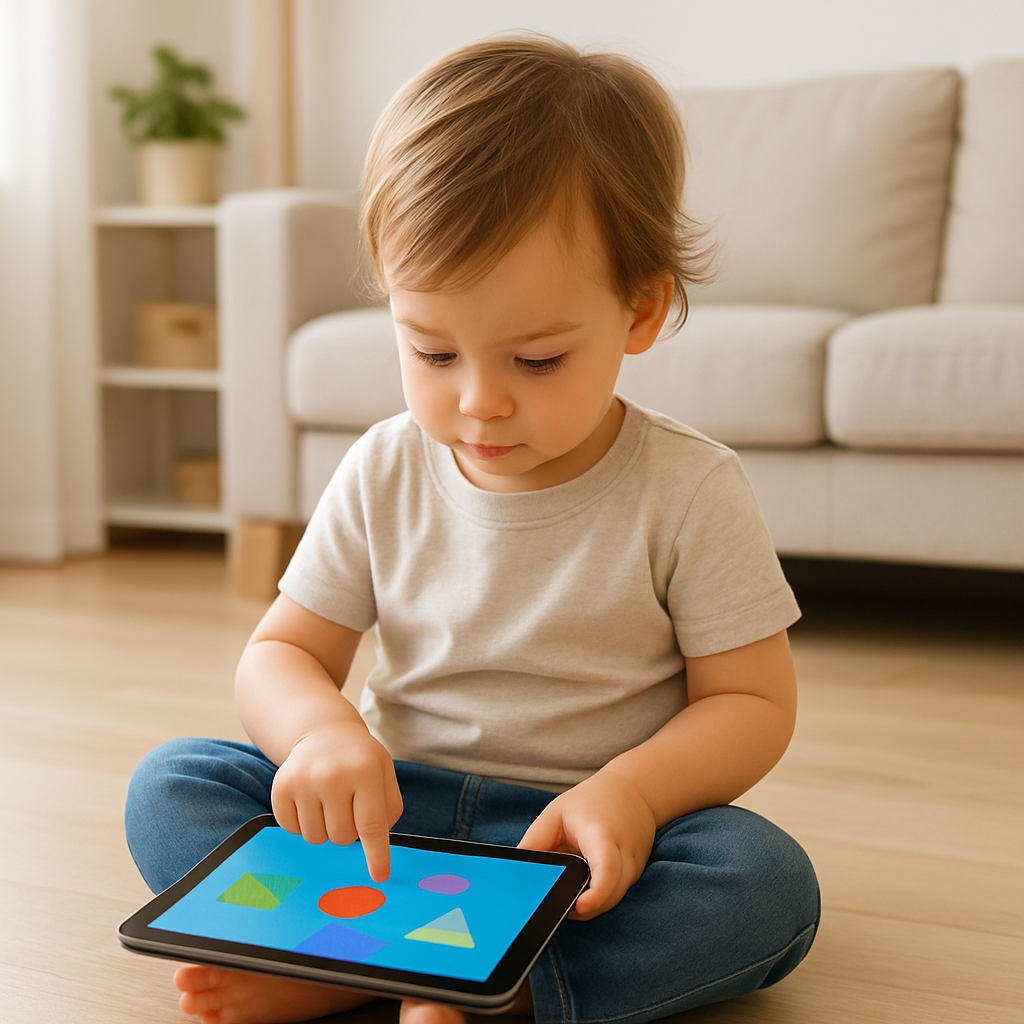
We’ll cover how screens can impact your child’s brain, learning to talk, social skills, behavior, and physical health. Each section includes facts (not opinions) from child development experts. The goal is to help you make informed decisions about your little one’s screen use. Let’s explore topic by topic.
Young Brains Are Still Growing
In the first few years of life, a child’s brain develops faster than it ever will again. Neural connections are forming every day as babies and toddlers interact with the world around them. Real-life experiences – like playing peekaboo, hearing bedtime stories, or stacking blocks – give rich input that helps their brains grow. Screens, on the other hand, provide a more limited kind of stimulation.
Overstimulation from Screens
A young child’s brain can be overstimulated by fast-moving videos and bright animations. For example, too much screen time can overload the part of the brain that processes visuals (the visual cortex) and leave less room for developing the parts that handle sounds and language. In other words, if a baby spends hours passively watching a screen, the brain areas for sight get a workout, but the areas for talking and social interaction may not get enough practice. Over time, this can wire the brain to expect high levels of visual stimulation, which real life doesn’t always provide.
Real Life vs. Screen Life
Experts often say that what happens on a screen is an “impoverished” version of reality for a developing brain. For instance, a cartoon might entertain your child, but it can’t replace touching real objects, exploring outdoors, or having a conversation. Young children learn best through hands-on play and face-to-face interaction. Boredom isn’t always bad either – downtime without screens encourages kids to use their imagination and creativity. So while educational videos have their place, they should not crowd out real-world learning.

Screen Time and Language Development
How Screens Can Delay Speech
Babies and toddlers learn to talk by listening to real people and trying to mimic sounds. If a TV or tablet is on too much, it can interfere with this important learning. Studies show that toddlers (12–24 months old) who spend 2 hours per day in front of a screen are up to six times more likely to have language delays (meaning they learn to talk later or have smaller vocabularies).
The risk is especially high if they started heavy screen use before their first birthday. One reason is that when a TV is on, adults tend to talk less to the child. If a parent is scrolling on their phone or a show is playing in the background, there are fewer back-and-forth conversations with the child. Less talking with real people means fewer chances for the child to learn new words and practice speaking.
“Background TV” Effect
Having the television on, even if a baby isn’t directly watching it, can distract both the infant and the adult. Research found that with background TV, parents engage less with their infants and speak fewer words to them. Babies also get distracted by the sounds and lights from the TV. This passive exposure can slow down language development. For young kids, quality interaction with adults is key to learning language – something a TV show can’t provide on its own.
Learning Words from Screens
Can educational videos or apps teach babies words? Studies have noticed a “video deficit effect”: children under 2 1⁄2 years old do not learn as well from a video as they do from a live person. In one study, infants took twice as long to learn to mimic an action shown on video compared to when the same action was shown by a person right in front of them.
Young children might see what’s on a screen as just images, not something real to copy in real life. They also miss out on the interactive feedback they’d get from a human (for example, a parent clapping and saying “good job” when the child tries a new word). So while a toddler might pick up a couple of words from a high-quality kids’ program, talking with your child in person is much more effective for building their language skills.
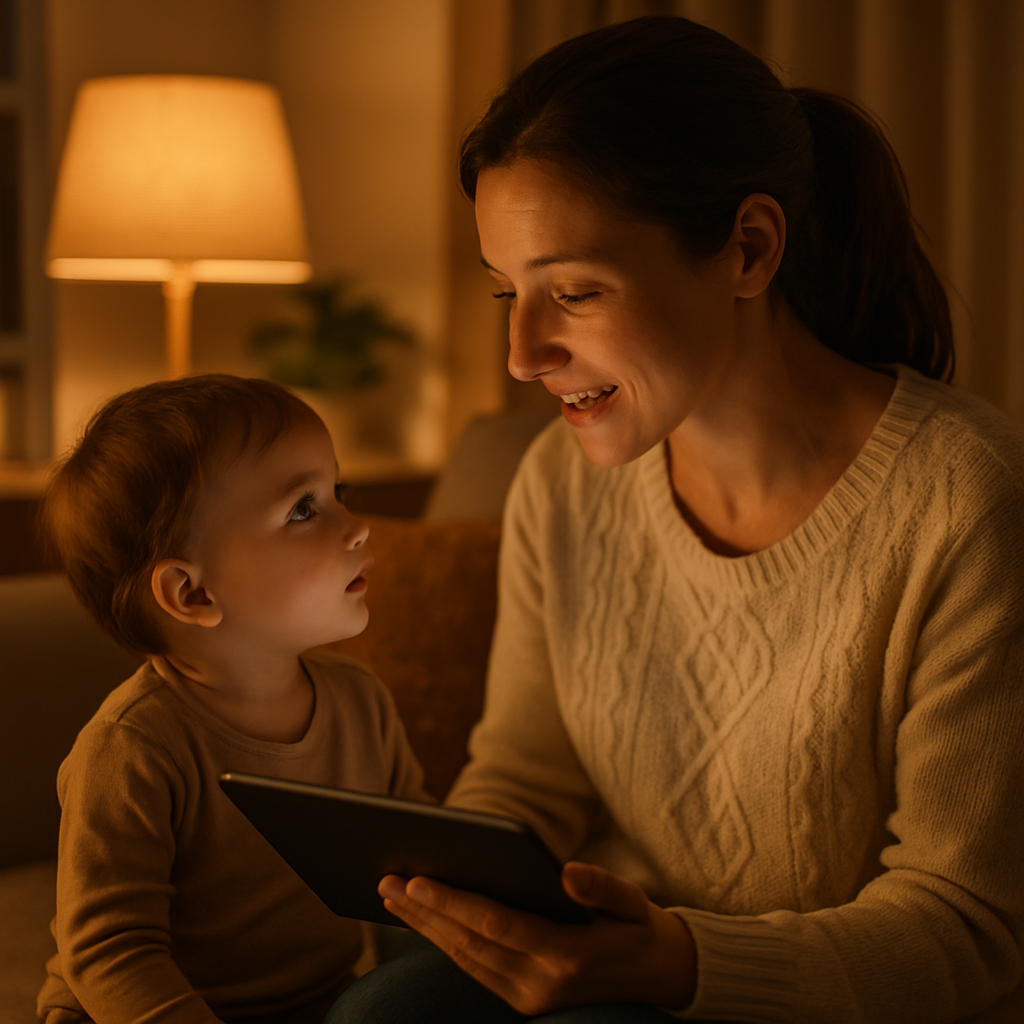
Tip: If you do let your toddler watch an educational show, watch it together. Ask questions (“What color is that ball?”) and respond to your child’s reactions. This kind of active involvement helps connect the screen content to real-life language. Remember, conversation is critical – even very young babies benefit from parents narrating what they’re doing and engaging them with speech.
Social and Emotional Development
Social Skills and Screens
Babies are naturally wired to learn social skills through face-to-face interactions – watching people’s expressions, hearing voices, and responding with babbling or smiles. If a lot of a child’s time is spent on a tablet or watching videos, they have fewer chances to practice these real-world social interactions. According to various researches, infants who regularly watched screens showed a lack of social skill development compared to those who interacted more with people. They might, for instance, have a harder time making eye contact or understanding others’ emotions, because they haven’t practiced those skills as much.
Emotional Effects
Excessive screen time in the early years has been linked to some behavioral problems. Preschool-aged children (around 2–5 years old) who get 2–3 hours of screen time a day tend to show more behavior issues, like hyperactivity or difficulty with attention, compared to those who have less screen time. They may also have poorer emotional regulation – meaning tantrums or trouble calming down – possibly because screens were often used to soothe them instead of them learning to soothe themselves.
Kids around age 4 who watch a lot of TV tend to have a lower ability to recognize and understand emotions in others. For example, they might not pick up on when a peer is sad or need extra help learning empathy. This doesn’t mean screens directly cause emotional problems, but too much screen use can replace valuable time when kids could be playing with others, dealing with real emotions, and learning social rules.
The Need for Face-to-Face
Real-life play with family and other children teaches lessons that a screen can’t. When kids play together (like sharing toys, taking turns, or playing make-believe), they learn important social-emotional skills – how to cooperate, how to handle frustration, and how to empathize. If a child is mostly engaged with a screen, they miss some of these learning opportunities.
Interactive play (like rolling a ball back and forth or playing “pat-a-cake”) might seem simple, but it builds connections in the brain for social interaction. It’s important to set aside screen-free playtime every day so your child can develop these social and emotional skills through interaction.

Behavior and Attention
Many parents notice that after too much screen time, young kids can be cranky or have shorter attention spans. Fast-paced shows or games can make the real world seem slow and boring by comparison. Over time, this can train kids to seek constant stimulation. If a child is used to being entertained by a tablet, they might struggle more to entertain themselves or stay focused on quieter activities (like drawing or listening to a story). To help with this, try to limit very fast-cut, flashy cartoons, and offer plenty of unplugged activities like puzzles, building blocks, or pretend play, which naturally build attention span and patience.
Physical Health and Sleep
Screen time doesn’t just affect the mind – it can impact a child’s body and overall health, too.
Active Play vs. Sitting Still
When a young child is on a screen, they’re usually sitting still. But kids need to move! Physical play (crawling, running, climbing, dancing) is crucial for developing their motor skills, strength, and coordination. If a toddler spends a lot of time with a tablet, that’s time not spent crawling on the floor, stacking blocks, or chasing bubbles.
Children under 5 years old should be getting hours of active play per day for healthy development. Too much sedentary screen time can contribute to weight gain and weaker muscles. It’s fine to relax with a show occasionally, but make sure it’s balanced with lots of active fun. For example, a trip to the playground or a game of tag in the yard is far better for their physical development than an extra episode of a cartoon.
Vision and Posture
Staring at a screen for long periods can strain a young child’s eyes. Kids may end up holding tablets or phones very close, which isn’t ideal for developing eyes. There’s also the issue of posture – a child craning their neck over a tablet for an hour can lead to stiffness or discomfort.
To protect your child’s vision, it’s wise to limit close-up screen use and ensure they take breaks to look at distant objects (which relaxes the eye muscles). Also, encourage good posture: for example, if watching something, have them sit propped up or watch on a larger screen like a TV further away, rather than hunched over a tiny phone.
Sleep Disruption
Using screens in the evening can interfere with a child’s sleep. The blue light from screens can trick the brain into thinking it’s daytime and stop the body from making melatonin, the hormone that makes us feel sleepy. Also, exciting content right before bed can leave kids’ minds overly stimulated. For instance, a preschooler who plays an action-packed game or watches a fast-paced video right before bedtime might have trouble winding down.
Poor sleep or not enough sleep can affect a child’s mood and learning the next day. To ensure good sleep habits, experts recommend no screens at least 1 hour before bedtime. Instead, do calm activities like reading a bedtime story, talking or singing softly, or gentle play. Also keep screens out of the bedroom at night, so the child’s sleeping area remains dark, quiet, and cueing sleep – not play.

Quality vs. Quantity: Not All Screen Time Is Equal
It’s not just how long young children use screens, but how they use them and what they watch. Quality matters. 15 minutes of an interactive, educational program can be more beneficial than an hour of mindless channel-flipping.
Educational Content
Some TV shows, apps, or videos are designed to be learning tools for young kids. For example, programs that teach simple concepts like shapes, colors, letters, or feelings can have positive effects, especially for 3-5 year olds getting ready for preschool. High-quality educational content (think along the lines of Sesame Street or Mister Rogers’ style programs) has been linked to better school readiness skills in areas like counting, vocabulary, or social readiness.
In fact, children from homes with fewer learning resources might benefit from educational media giving them exposure to new ideas and words. However, this works best when the content is truly designed for learning and age-appropriate. A nature documentary or news program meant for adults, for instance, won’t benefit a toddler (and might even confuse or upset them).
Interactive Screen Time
Newer research hints that interactive screen use (like a tablet app where the child has to touch, draw, or respond) can be better than passive watching, as long as it’s a good app. If a 4-year-old plays a phonics game where they have to choose the correct letter, they’re actively engaging rather than just staring. Still, young kids need guidance – the app or game should be simple, positive, and educational. And an adult should ideally play along or supervise to reinforce the lessons.
Co-Viewing and Adult Interaction
One of the best ways to improve the quality of screen time is for you to join in. When parents or caregivers co-view (watch together with the child) and talk about the content, children get more out of the experience. For example, if you’re watching an animal cartoon, you might comment, “Wow, the monkey is happy because he found a banana!” or ask, “What do you think will happen next?” This turns a passive activity into an interactive one. The child starts connecting the screen to the real world through your conversation.
Studies show that kids learn better with an adult present because the grown-up can translate and expand on what’s happening on screen. On the flip side, try to avoid letting the child use a screen alone for long periods or as a “babysitter.” A little independent viewing is okay when needed (we all occasionally let them watch a quick show so we can get something done), but it shouldn’t be the bulk of their screen time.
Setting Content Limits
Young children are impressionable, so it’s crucial to choose what they watch. Use parental controls or select trusted kids’ platforms to ensure they aren’t exposed to ads or inappropriate material. Many streaming services have a Kids mode – take advantage of that. Also, be wary of auto-play features. It’s better to pick one 20-minute episode of a quality show than to let an app auto-play endless videos. When the one episode ends, the child learns that screen time is done for now, instead of being lured into watching more.
Healthy Screen Time Guidelines and Tips for Parents
Screens aren’t “all bad” – it’s about balance and guidance. Here are some expert guidelines and practical tips to help you manage screen time for young kids in a healthy way:
Recommended Screen Time Limits (by Age)
Health organizations like the American Academy of Pediatrics give these general limits for young children:
- Babies (0–18 months): No screen time at all, except for live video chatting with family (for example, a FaceTime with Grandma). Infants’ brains are growing so fast through direct interactions, and they don’t understand what’s on a screen yet.
- Toddlers (18–24 months): If you choose to introduce screens, do it sparingly. Only use high-quality, educational content, and always watch together with your child to help them understand what they see. (Looking at digital picture books or a simple learning app together for 10–15 minutes can be okay.)
- Preschoolers (2–5 years): Limit screen time to no more than 1 hour per day of high-quality programming. Co-view or talk to them about what they watched afterwards. An hour or less ensures plenty of time in the day for play, reading, and rest.
- Early Elementary (5–6 years): Around this age, experts suggest keeping recreational screen time to about 1–2 hours max per day. Make sure screens don’t take time away from homework, active play, family meals, or sleep.
The key is to set consistent limits that work for your household and stick to them. It helps children know what to expect (for example, “I can watch one cartoon after dinner, then we turn off the TV”).
Practical Tips for Healthier Screen Use
Be a Role Model:
Young kids copy what adults do. If they see you glued to your phone, they’ll want screen time too. Try to model a balanced use of devices – for example, put your phone aside during playtime and meals. Show them that books, puzzles, or outdoor fun are enjoyable, too.
Screen-Free Family Time:
Create some daily routines that are screen-free for everyone. Dinner time is a great example – no phones or TV, just family conversation. Likewise, have a rule of no screens during meals and keep devices off during bedtime routines. This not only limits screen exposure, it also strengthens family bonds.
Provide Alternatives:
Children often turn to screens out of boredom. Keep a rotation of engaging non-screen activities ready: picture books, crayons and paper, play-dough, musical instruments, blocks, or a ball to kick around. For calming times, consider quiet activities like coloring, storytelling, or cuddle time with a stuffed animal. If your child asks for the tablet, say, “How about we draw a picture first?” Offering an appealing alternative can reduce their fixation on screens.
Use Screens Actively:
When screen time does occur, try to make it an active experience. Ask questions about the show, encourage your child to dance along to a music video, or pause and talk about what you’re watching. Even a video call with a relative can be interactive – encourage your little one to show Grandma their toy or sing a song. This way, screen time also becomes bonding time or learning time.
Avoid Using Screens as the Only Soothing Tool:
It’s tempting to hand a fussy toddler a phone to calm them down. Once in a while is okay (we all have moments!), but try not to make it the go-to solution for tantrums or boredom. Kids need to learn how to manage emotions without always relying on screens. You can soothe them with a hug, a gentle song, or a quiet game. Over time, they’ll build better self-soothing skills, which are important for emotional development.
Keep Bedrooms Screen-Free:
For young kids, it’s wise to keep TVs, computers, and tablets out of the bedroom, especially at night. This prevents late-night viewing and ensures the child’s sleeping environment is calm. If they use a tablet during the day, have a common charging spot in the living room where it stays at night.
Monitor Content:
Know what your child is watching or playing. Preview new shows or apps if you can. There are many kid-friendly apps and programs – seek those out. If something seems too fast-paced, violent, or advertising-heavy, skip it. You are the gatekeeper for quality content.
Encourage Playdates and Outdoor Time:
Human interaction and nature are things a screen can’t replace. Arrange playdates with kids of similar age so they can play together (learn sharing, communication, etc.). Take your child to the park, let them dig in the sand or run around. These activities are excellent for both body and brain. A child who has had a fun-filled active morning is often less insistent on screen time because they’ve been stimulated in a healthy way.
Have a Schedule:
Some families find it helpful to designate specific “screen time” slots in the day (for example, one show after lunch). This predictability can prevent constant begging for TV/tablet, because the child knows when they will get their screen time. Outside of those slots, the rule is no screens. Using a timer can help – “We’ll watch for 30 minutes” and when the timer rings, screen time is over. Consistent rules and gentle but firm transitions (“Okay, time’s up, let’s say bye-bye to the tablet now and go play outside!”) will help the child adjust.

By implementing these tips, you create a home environment where screen time is just one small part of your child’s day, not the main event.
Conclusion: Finding Balance and Moving Forward
Screen time for young children is all about balance. On one hand, tablets and TVs can offer educational content, entertainment, and even connect your child with loved ones (like a grandparent on video chat). On the other hand, too much screen use – especially without guidance – can hinder aspects of their development, from learning to talk to learning how to play with others. The good news is that as a parent or caregiver, you have the tools to ensure screens are used wisely and sparingly during these critical early years.
Key Takeaways: Real-life interaction is irreplaceable. Your child’s brain grows best when they explore the physical world, engage their five senses, and bond with people – not just watching a screen. Too much screen time in the early years has been linked to delayed communication skills, less practice with social and problem-solving skills. It also affects their behavior, attention, and physical health. By keeping screen time limited and high-quality, you protect your child’s development. Remember that you are in control of the media environment at home: by setting limits and being involved, you turn screen time into something positive and avoid the potential harms.
A Positive Approach: Don’t think of it as “screens = bad.” Instead, approach it as “my child needs many kinds of experiences, and a little screen time can be one of them, in the right way.” There will be days when you rely on a cartoon to get through a busy afternoon, and that’s okay! The aim is to make most days filled with play, reading, and interaction, with screen time being a small, well-chosen treat – not the default activity. Encourage your child’s natural curiosity through games, outdoor adventures, art, and conversations. These will do far more for their growth than any app or TV show.
Finally, give yourself credit: by reading this guide and being mindful of screen time, you’re already taking a big step toward supporting your child’s healthy development. With consistent limits, lots of love, and plenty of screen-free fun, your child can grow up healthy, smart, and happy in our digital world. You’ve got this!

In the end, it’s not about being a perfect parent or getting screen time “just right.” It’s about being present, staying calm, and trying to understand your bright, curious toddler, even in their most challenging moments. That’s the real power of calm parenting.
If you want more support as you rethink screen time and respond to tantrums, big feelings, and tricky toddler behavior, our Raising Bright, Curious Toddlers (2–3 Years) guide is for you. Our guide gives you clear tools to help your child feel safe with you, learn to regulate their emotions, and build a strong connection. You also get practical strategies for managing your own triggers and stress. Learn more about our Raising Bright, Curious Toddlers guide.