Picture a child who walks into a new social situation and says, “I feel nervous right now.” Or a teenager who pauses, takes a few deep breaths, and tells a friend, “I know you’re angry, but I’m not OK with how you’re talking to me.”
Parenting isn’t just about teaching the ABCs and 123s—it’s also about helping children understand and manage their feelings. Kids who recognize their own emotions and those of others show strong emotional intelligence. Emotional intelligence is just as important as academic skills for a child’s well-being. The good news is that emotional intelligence can be nurtured from a young age.
- What Is Emotional Intelligence for Kids?
- Why Is Emotional Intelligence Important for Kids?
- Emotional Intelligence Skills for Kids
- Strategies to Raise an Emotionally Intelligent Baby
- Helpful Tools and Resources
- Take Care of Your Own Emotional Health
- Final Thoughts: Help Your Child Thrive with Emotional Intelligence
What Is Emotional Intelligence for Kids?
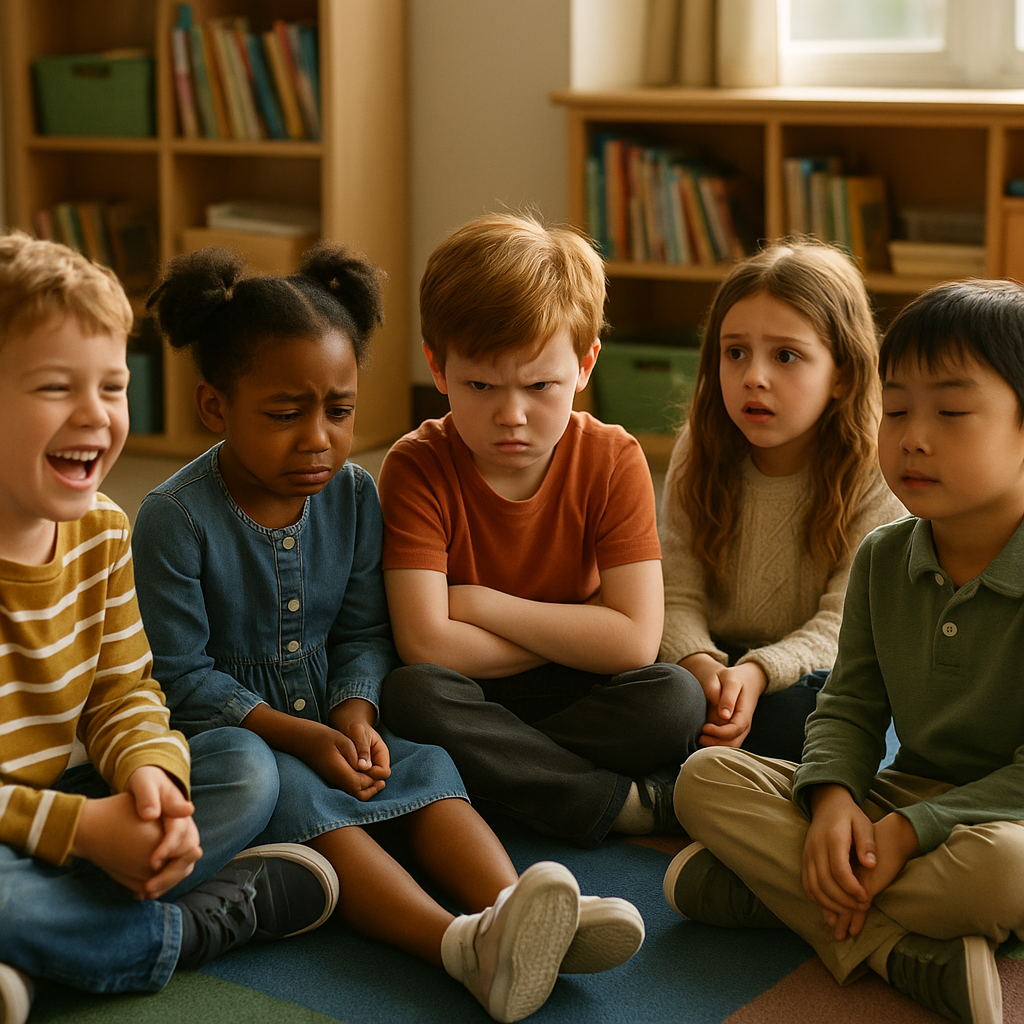
Emotional intelligence is the ability to recognize and understand feelings, manage emotions in a healthy way, and empathize with others.
In children, this means being aware of their own feelings, knowing why they feel a certain way, and learning how to cope with those feelings constructively.
Why Is Emotional Intelligence Important for Kids?
Teaching kids to be emotionally aware is important because it sets them up for success in many areas of life. Children with strong emotional intelligence tend to be more resilient, communicate better, and form positive relationships. They often handle stress well and adapt more easily to new situations.
Research suggests that kids who learn emotional skills have fewer behavior problems and cope with stress more effectively. Teaching these skills early gives children tools for empathy, problem-solving, and managing conflict, setting them up for happier, healthier lives.
By nurturing your child’s emotional intelligence from an early age, you’re giving them tools for better mental health, happier relationships, and even improved performance in school.
Emotional Intelligence Skills for Kids
Emotional intelligence is made up of a few key skills that kids can learn and grow over time. These skills help children understand themselves and others better. With regular support, they become part of everyday behavior.
- Self-awareness: Being able to notice and name your feelings. When kids know what they’re feeling, they can talk about it and ask for help.
- Self-regulation: Learning how to manage big emotions. It helps kids calm down without acting out or hurting others.
- Motivation: Using feelings like excitement or frustration to keep trying even when something is hard. It helps kids stay focused on their goals.
- Empathy: Understanding and caring about other people’s feelings. It builds kindness and connection. Social skills include listening, talking clearly, solving problems, and getting along with others.
Children don’t learn these all at once. They build them slowly through daily practice, support, and how adults interact with them. These skills help children feel more confident and connected at home, in school, and in friendships.
Strategies to Raise an Emotionally Intelligent Baby
Model Emotional Awareness
Kids learn from watching adults. Show your child how to handle feelings calmly. Say things like, “I feel frustrated we’re late, so I’ll take a deep breath.” This teaches that it’s okay to have feelings. You can tell them when you’re having a hard day. Say, “I feel a little sad today.” Use “I” statements like “I feel upset” instead of blaming. This shows your child how to talk about feelings and stay respectful.
Help Kids Name Their Emotions and Validate Their Feelings
Teach kids to use clear feeling words. Instead of saying “bad,” say “angry,” “nervous,” or “sad.” You can say, “You look angry because you lost your toy. Is that right?” The more words they know, the better they can explain how they feel. Always notice happy feelings too, like when they’re proud or excited.
Let your child know all feelings are okay. Never say “stop crying” or punish big emotions. Say, “It’s okay to feel sad. I’m here with you.” Stay calm if they’re yelling or crying. Help them cool down first. Then later say, “Let’s talk about what made you upset and what we can do next time.”
Encourage Open Communication
Make it easy for your child to talk. Ask questions like, “What was the best part of your day?” or “How did that make you feel?”
Stop and listen when they talk. Don’t rush to fix things. Say, “It sounds like you felt hurt.” This shows you care. Check in with them often, so they always feel safe sharing.
Teach Empathy
Talk about how others feel. Ask, “Why do you think the character is sad?” or “How did your friend feel when that happened?”
Show empathy when they’re upset. Say, “I know you’re disappointed. I feel that way too sometimes.” This teaches them to care about others.
Foster Problem-Solving Skills
When problems cause big feelings, help your child find a solution. First, name the problem. Then think of ideas together.
Let your child pick one to try. If it doesn’t work, try another. Cheer them on for trying. Help them learn from what went wrong.
Use Play and Stories to Teach Emotions
Children learn best when they’re having fun. Try these activities: Feelings Charades: Take turns acting out emotions like happy, sad, or angry. Guess the feeling. This helps kids read body language and expressions.
- Emotion Journals or Drawing: Let kids draw or write about their feelings. If they can’t write, they can color a happy or sad face. Ask about their drawings to talk more.
- Role-Playing Scenarios: Pretend to play a situation like losing a game or a friend not sharing. Switch roles and talk about how each person feels and what they could do.
- Story Time and Discussions: While reading books or watching shows, pause to ask, “Why is the character sad? What should they do?” This helps kids connect emotions to real life.
These games and stories make learning about emotions easier and fun. They also create bonding moments.
Helpful Tools and Resources
There are fun and easy tools to help kids practice emotional skills every day. Try using:
- Storybooks that teach gratitude, calm breathing, and kindness through simple stories.
- Short videos that explain emotions in ways children can understand.
- Apps and games that help with mindfulness, empathy, and noticing feelings.
- Printable tools like emotion flashcards, journals, and calming guides that kids can keep in their room, backpack, or classroom.
- Using these tools at home or school makes learning about emotions more natural. When kids see and use them often, emotional learning becomes part of their daily routine.
Take Care of Your Own Emotional Health
Your emotional health matters, too. You are your child’s emotional anchor, so staying well helps them feel secure. It’s hard to teach calm if you always feel stressed or tired. Taking care of yourself is not selfish—it’s part of being a good parent.
Find simple ways to manage stress. Go for a walk. Do some light exercise. Try breathing exercises or journaling. Talk to a friend or counselor if you need help. When you feel steady, it’s easier to respond kindly to your child’s needs.
Also, notice how you react to things. If you snap or get upset, it’s okay. Everyone makes mistakes. Say sorry if needed and talk about what you’ll do differently next time. This shows your child that learning emotional skills never stops.
When you say, “I’m feeling overwhelmed, so I’m going to take a short break,” your child learns that emotions can be managed. They copy what you do. Calm parents help raise calm kids.
Children learn most by watching. If you show empathy, patience, and respect, they will too. A steady, emotionally healthy parent gives kids the confidence to share their feelings and grow strong inside.
Final Thoughts: Help Your Child Thrive with Emotional Intelligence
Raising an emotionally aware child is a journey. It won’t always be easy, but every effort you make is worth it. Each time you guide your child through a tough feeling or help them solve a problem kindly, you build skills that last a lifetime.
Be calm and repeat the lessons. Talk about feelings often. Your child will have good and bad days. That’s okay. Every talk, every deep breath, and every hug helps them grow stronger.
By showing healthy behaviors, naming feelings, and teaching ways to cope, you give your child a powerful gift: the ability to understand and manage their emotions. This strength helps them with friendships, school, and life’s ups and downs.
With your support and example, your child can grow into an emotionally strong person who thrives at home, in school, and in the world.